
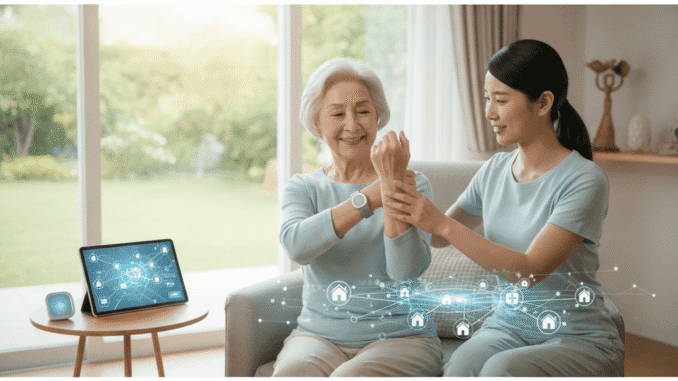
I have spent years observing how technology helps people in countless ways. One area where its impact is especially profound is in supporting seniors during their recovery journeys. After an illness, injury, or surgery, older adults often face unique challenges. They may need help with daily tasks or require quick assistance in an emergency. This is where emergency monitoring systems prove invaluable.
These systems are more than just a button to press for help. They create a safety net, allowing seniors to recover in the comfort of their own homes. This approach supports their physical healing and also strengthens their sense of independence. I believe understanding these systems is key for anyone caring for an aging loved one.
I want to explain how emergency monitoring systems specifically aid in senior recovery. We will explore various technologies and the benefits they offer. These tools truly make a difference in helping seniors regain their health and confidence.
The Critical Role of Emergency Monitoring in Senior Recovery
When an older adult is recovering, having immediate access to help is not just convenient. It can be life-saving. Emergency monitoring systems ensure that professional help is always just a button press or a voice command away. This constant connectivity gives me great peace of mind and it does the same for many families I speak with.
Imagine a senior falling at home. They cannot reach a phone or call out for help. Without monitoring, precious time would pass before anyone knew they were in trouble. With a system in place, help can be dispatched within minutes. This quick response can prevent further injury and reduce recovery time significantly.
The systems are designed to be user-friendly. Most devices have large buttons and clear audio. They connect directly to a monitoring center staffed by trained professionals. These individuals can assess the situation and contact emergency services or family members as needed. This simple yet powerful technology makes a huge difference.
Immediate Assistance in Emergencies
Emergencies do not follow a schedule. They can happen any time of day or night. A senior recovering from a stroke might experience sudden dizziness. Someone with a heart condition could feel chest pain. These situations demand quick action.
Emergency monitoring systems bridge the gap between a critical event and professional medical care. I have seen how quickly these systems activate. Pressing a button sends an immediate alert to the monitoring center. A staff member then communicates with the senior through the device. This conversation helps them understand what is happening.
If the senior cannot respond, or if they confirm an emergency, help is sent right away. This rapid intervention is crucial for conditions where every second counts. It ensures medical teams arrive as soon as possible. This process is highly effective because it removes potential delays like finding a phone or remembering numbers.
Peace of Mind for Seniors and Families
Living alone while recovering can be stressful for seniors. They may worry about what might happen if they need help. Their family members often share these same concerns. Emergency monitoring systems help ease these worries for everyone involved.
Seniors feel more secure knowing help is readily available. This feeling of safety encourages them to move more freely and participate in their recovery exercises. It allows them to focus on getting better. Families also benefit greatly. They do not have to constantly check in or worry about their loved one being alone.
I often hear from families how much relief these systems bring. They know a professional is watching over their parent or grandparent. This peace of mind is an essential part of a successful recovery journey. It builds confidence in the senior and trust in their support network.
Types of Emergency Monitoring Systems for Seniors
The market for emergency monitoring systems has grown and diversified. There are now many options tailored to different needs and preferences. I always recommend exploring these choices to find the best fit for each individual senior. We want to ensure they are comfortable and willing to use the system regularly.
Some systems are basic and focus solely on emergency alerts. Others offer advanced features like activity tracking or medication reminders. The right choice depends on the senior’s health status, their living arrangement, and their comfort level with technology. I find that a personalized approach works best here.
These technologies are designed to be discreet and easy to use. They integrate seamlessly into a senior’s daily routine. This means less disruption and more focus on recovery. My experience shows that simplicity and reliability are key factors for adoption.
Medical Alert Systems
Traditional medical alert systems are perhaps the most well-known form of emergency monitoring. These typically involve a wearable device, like a pendant or wristband, that connects to a base unit in the home. The base unit then communicates with a monitoring center.
When a senior presses the button on their wearable device, it sends a signal. The monitoring center receives this signal and attempts to communicate with the senior. If there is no response, or if the situation indicates a need for help, emergency services are dispatched. Many systems also allow for two-way communication through the base unit.
These systems are straightforward and reliable. They are often recommended for seniors who are at a higher risk of falls or other medical emergencies. The simplicity of these systems makes them a popular choice for many families. They provide a direct line to help when it is most needed.
Smart Home Devices and Fall Detection
Beyond traditional medical alerts, smart home technology now offers sophisticated monitoring capabilities. These systems can include sensors placed throughout the home. They can detect unusual patterns or emergencies without requiring direct interaction from the senior.
Fall detection is a notable feature in many modern systems. These devices use accelerometers or gyroscopes to sense a sudden impact or change in orientation. If a fall is detected, an automatic alert is sent to the monitoring center. This is especially helpful if a senior is unconscious or unable to press a button.
Other smart devices can monitor doors, windows, and even appliances. They can detect smoke or carbon monoxide. Some systems learn a senior’s daily routines. They can flag unusual inactivity as a potential problem. This level of comprehensive observation creates a robust safety net.
Enhancing Physical Rehabilitation with Monitoring
Physical recovery often involves strict adherence to medication schedules and activity goals. Emergency monitoring systems play a supportive role in this process. They offer tools that help seniors stay on track with their rehabilitation plans. I find these features incredibly helpful for consistent progress.
The goal is to make the recovery process smoother and more effective. We want to prevent setbacks and encourage steady improvement. These systems contribute to a more structured and accountable environment for recovery at home. They help ensure seniors follow their doctor’s orders even when no one else is around.
Integrating these tools into a daily routine reinforces positive habits. It also provides valuable data for healthcare providers. They can then adjust treatment plans based on real-world activity levels and adherence. This leads to better outcomes overall.
Medication Reminders and Adherence
For many seniors, managing multiple medications can be confusing. Forgetting a dose or taking the wrong one can hinder recovery or even lead to serious health issues. Emergency monitoring systems often include features that help with medication management.
These features can range from simple audible reminders to more advanced smart pill dispensers. The dispensers alert the senior when it is time to take their medication. They can even send alerts to family members or caregivers if a dose is missed. This ensures medication adherence, a critical factor in recovery.
I have seen firsthand how these reminders reduce stress for seniors and their families. It removes the burden of constantly remembering complex schedules. This allows the senior to focus their energy on healing. It is a simple feature that provides a major benefit.
Activity Tracking for Progress
After an injury or surgery, physical therapy and regulated activity are vital. Too little activity can delay healing. Too much can cause re-injury. Some emergency monitoring systems offer activity tracking capabilities. These systems help balance these needs.
These trackers can monitor daily steps, time spent sitting, or even sleep patterns. This data gives seniors and their care teams insight into their progress. For example, a physical therapist can review activity logs to see if a senior is meeting their rehabilitation goals. I think this data is very useful for tailoring recovery plans.
The information gathered helps to make informed decisions about increasing or decreasing activity levels. This data also serves as a motivator for seniors. They can see their improvements over time, which builds confidence. It turns recovery into a measurable and achievable goal.
Supporting Mental and Emotional Well-being
Recovery is not just about physical healing. It deeply affects a senior’s mental and emotional state. Feelings of loneliness, anxiety, and a loss of independence can be significant roadblocks. Emergency monitoring systems address these challenges by fostering a sense of security and connection.
When a senior feels safe and supported, their overall well-being improves. This positively impacts their physical recovery too. A calm and confident mindset helps the body heal more efficiently. I always emphasize the importance of mental health in any recovery plan.
These systems provide an invisible layer of support. They allow seniors to maintain their routines and lifestyle with less fear. This psychological boost is often underestimated but plays a huge part in successful rehabilitation. It helps them feel connected and valued.
Reducing Isolation and Anxiety
Seniors recovering at home might feel isolated. They may also feel anxious about potential emergencies. Emergency monitoring systems directly combat these feelings. Knowing that help is always accessible reduces anxiety significantly.
Many systems offer two-way communication, allowing seniors to speak with a dispatcher at any time. This can be comforting even if there is no immediate emergency. Some systems also connect to family members or friends. This direct line of communication helps reduce feelings of loneliness.
I believe that reducing anxiety allows seniors to relax and focus on their recovery tasks. It frees their mental energy for healing instead of worrying. This mental freedom is a crucial component of a holistic recovery plan. It makes a big difference in their daily comfort.
Fostering Independence
A major concern for many seniors is losing their independence. The thought of needing constant supervision can be disheartening. Emergency monitoring systems help preserve this crucial sense of autonomy. They allow seniors to live more independently while still having a safety net.
These systems mean seniors do not have to move into assisted living facilities prematurely. They can stay in their familiar surroundings. This continuation of their normal life supports their dignity and self-esteem. I have seen how much this means to older adults. This is a very important aspect of senior recovery monitoring.
Knowing that they can handle an emergency by themselves, even with assistance, empowers them. It gives them confidence to engage in daily activities. This regained sense of control is powerful. It motivates them to push forward in their recovery. It helps them continue living life on their own terms.
Tailoring Monitoring Solutions for Individual Needs
Every senior is unique. Their health conditions, living situations, and technological comfort levels vary widely. This is why a one-size-fits-all approach to emergency monitoring simply does not work. I always advocate for a personalized assessment to match the right system with the right person.
Taking the time to understand specific needs ensures the system is actually used and effective. We need to consider factors like mobility, cognitive abilities, and existing health challenges. The goal is to implement a solution that feels natural and provides genuine benefit without being overly complicated. A well-chosen system becomes a true partner in recovery.
Involving the senior in the decision-making process is also very important. Their input helps choose a system they will be willing to use. This collaboration leads to much better outcomes. It also gives them a sense of control over their care.
Assessing a Senior’s Specific Requirements
Before selecting an emergency monitoring system, it is vital to conduct a thorough assessment. This includes evaluating the senior’s medical history. We also need to consider their current physical limitations and their cognitive status. For example, a senior with severe arthritis might struggle with small buttons.
Their living environment also plays a role. Do they live in a multi-story home? Do they spend time outdoors in a yard? Some systems have a wider range than others. I also think about their daily routines. This helps determine where sensors might be most useful or what type of wearable device would be least intrusive.
Involving their healthcare providers and family members in this assessment provides a complete picture. This collaborative effort helps identify all potential risks and needs. It ensures the chosen system addresses every concern. This comprehensive approach is always my recommendation.
Choosing the Right Technology Partner
Selecting a monitoring service provider is as important as choosing the technology itself. We want a company that is reliable and responsive. They should have a strong track record of excellent customer service. I always look for providers with clearly defined protocols for handling emergencies.
It is important to understand their monitoring center operations. Are they staffed 24/7? What training do their operators receive? We should also check for certifications and industry standards. A reputable provider will be transparent about their services and costs. They should offer flexible plans that can adapt as a senior’s needs change.
Reading reviews and getting recommendations from other families can be very helpful. This research helps ensure that you are partnering with a service you can trust. A good technology partner provides ongoing support. They help maintain and update the system over time. This long-term commitment is essential for continuous safety.
Integrating Monitoring into a Holistic Recovery Plan
Emergency monitoring systems are most effective when they are part of a broader, holistic recovery plan. They complement other aspects of care. These include medical treatment, physical therapy, and emotional support. I see them as a vital piece of a larger puzzle.
The systems provide a foundation of safety. This allows other caregivers and professionals to focus on their specific roles. For example, a therapist can concentrate on exercises. They know an alert system will handle any unexpected falls. This integrated approach ensures all bases are covered. It makes the recovery process more seamless and less stressful.
Regular communication between the monitoring service, the senior, family, and healthcare providers is also crucial. This team approach allows for adjustments as recovery progresses. It ensures everyone is informed and working toward the same goals. This collective effort truly maximizes the benefits of emergency monitoring.
Conclusion: Empowering Seniors Through Connected Care
Emergency monitoring systems are more than just gadgets. They represent a significant step forward in senior care and recovery. I have learned through much observation that these systems empower older adults to recover with greater confidence and independence. They provide a critical layer of safety, ensuring that help is always at hand when it is needed most. This immediate assistance can prevent serious complications and speed up recovery times after an illness, injury, or surgery. These systems also offer invaluable peace of mind for both seniors and their worried families. Knowing a professional monitoring center is always ready to respond removes a heavy burden of anxiety. It allows everyone to focus on healing and well-being. From simple medical alert buttons to advanced smart home fall detection, the variety of available technologies means there is a solution for nearly every situation and need. These tools extend beyond crisis response by aiding in medication adherence and activity tracking. This helps seniors stay on track with their physical rehabilitation goals. They support mental and emotional health too, reducing isolation and fostering a vital sense of autonomy. I strongly urge families and caregivers to explore how emergency monitoring can be tailored to meet the specific requirements of their loved ones. Investing in the right system means investing in a safer, more independent, and ultimately more successful recovery journey. It is about embracing technology to enhance quality of life and promote healing. Consider researching these options today and give your senior loved one the gift of connected care and confidence in their recovery.